
Reading Filter Differential Pressure Without Guesswork
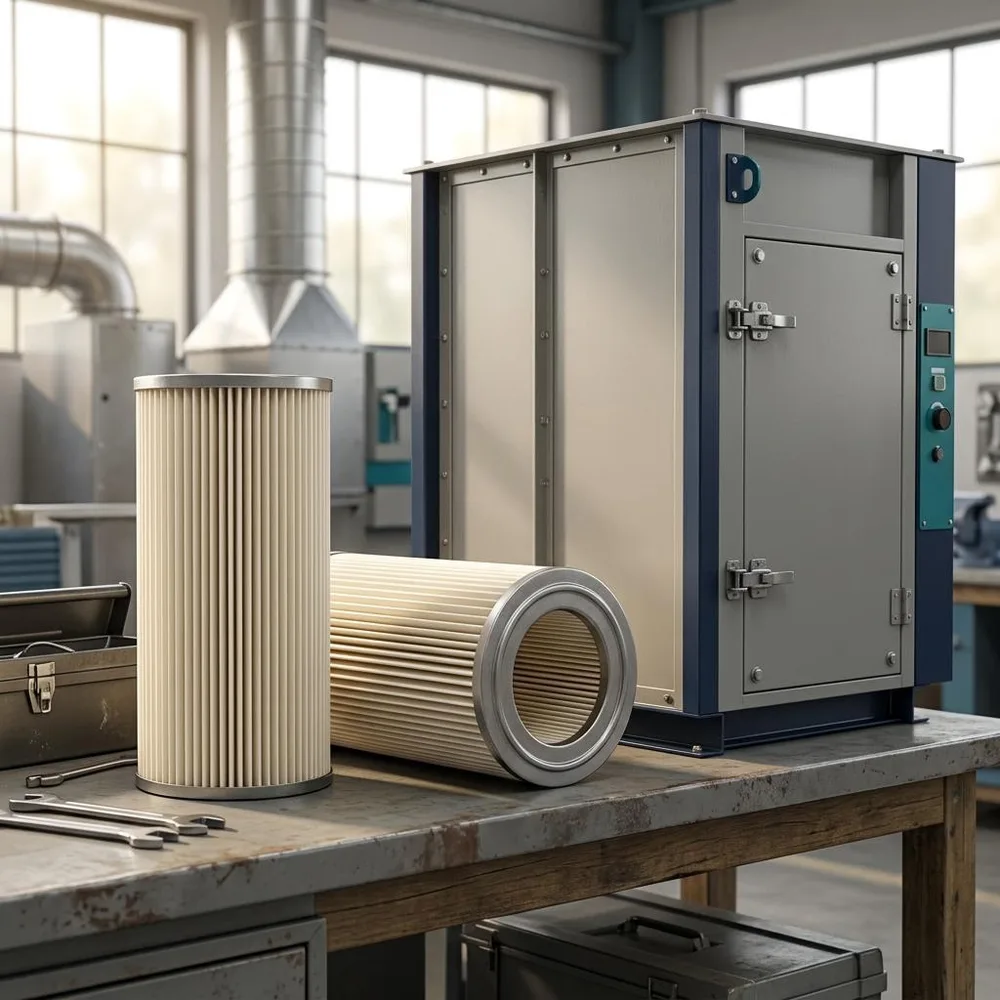
Differential pressure indicates the pressure difference across a filter section. It can help identify changing resistance, but should be interpreted alongside airflow, operating conditions and the equipment instructions.
Compare like with like
Record readings under a defined operating state. Changes in fan speed or open branches can affect the result. A stable baseline after commissioning is more useful than an isolated number taken during an unknown condition.
Investigate changes, not assumptions
A rising trend may suggest loading or ineffective cleaning, but other restrictions also deserve attention. An unexpectedly low reading can reflect reduced flow, a measurement fault or a filter problem. It should not automatically be celebrated as improved performance.
Give operators a response plan
Use the manufacturer’s permitted limits and the system’s documented operating range rather than adopting a generic alarm threshold. Identify who investigates an abnormal reading and when the process must stop. Do not bypass an alarm to maintain production. DusTech can help include pressure monitoring in a practical maintenance routine that also checks capture at the working point.