
Portable Extraction: The Hidden Effect of Hose Length
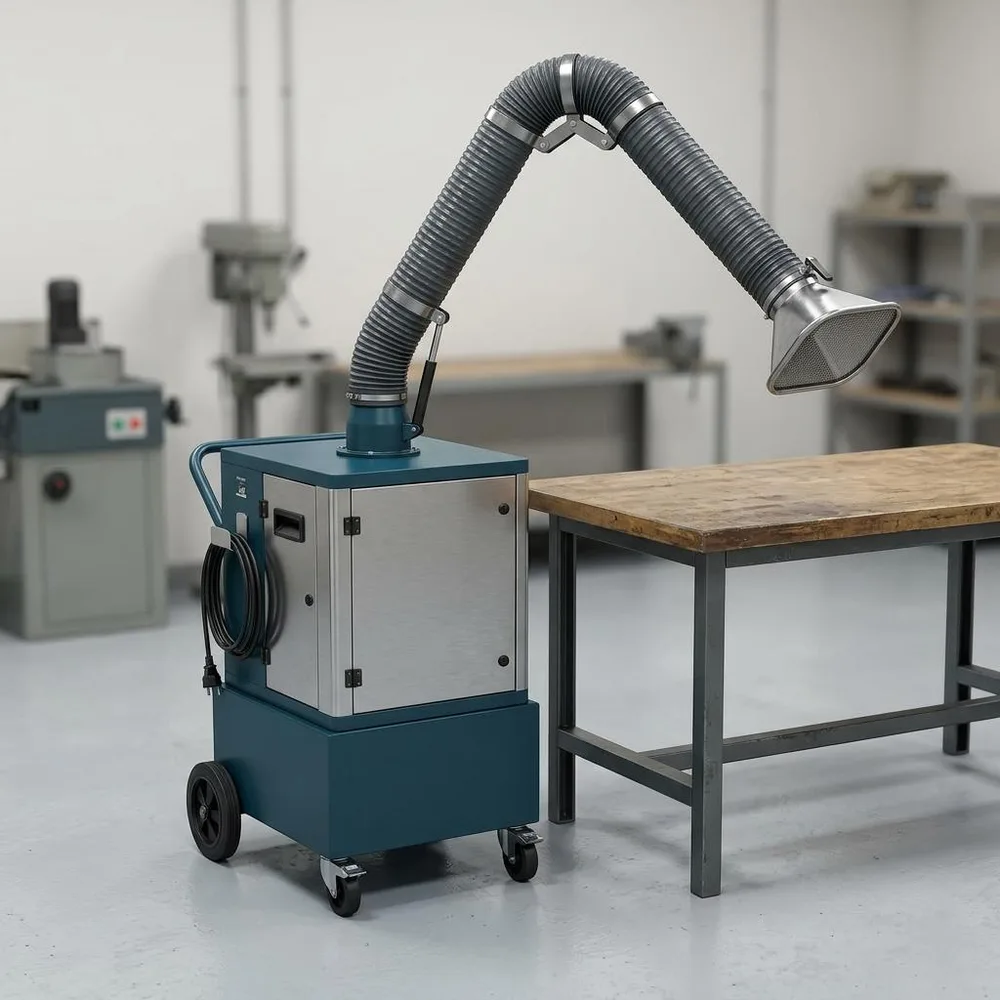
A portable unit is often selected beside a workbench and later used across a much larger area. Extra hose, adaptors and sharp bends can make that second configuration behave very differently.
Reach has a pressure cost
Hose resistance reduces the airflow available at the working point. Diameter, internal surface, bends and restrictions all matter. A hose that is convenient to carry may not be suitable for the quantity and characteristics of material being transported.
Avoid improvised extensions
Use a configuration within the equipment’s approved instructions. Where conductive or antistatic properties are required, accessories and connections must maintain the intended protection; a replacement section should not be chosen solely because it fits.
Test where the work happens
Assess performance with the full hose and tool arrangement, including normal filter condition and waste loading. Plan the route to avoid trip hazards and damage from traffic. If the task consistently needs a long run, a different layout or fixed connection may be more appropriate. DusTech can review the working arrangement before an apparently simple hose extension becomes a recurring capture problem.