
Industrial Vacuum or Process Extractor? They Are Not Interchangeable
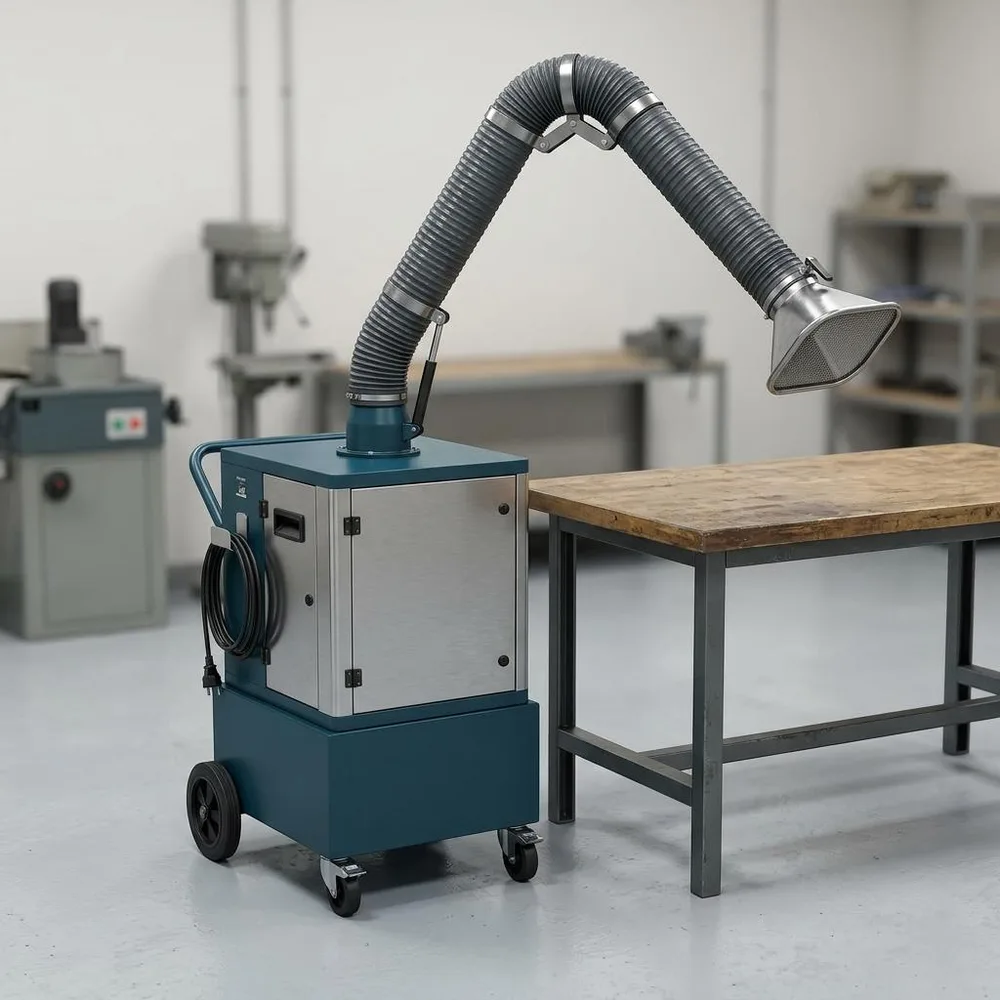
Two machines may both collect dust while serving very different duties. Selecting by appearance or motor power can leave a process poorly controlled.
Start with the task
Industrial vacuum cleaning typically involves picking up deposited material through a tool and hose. Process extraction captures contaminants as a task generates them, using an appropriate hood or enclosure. Their airflow and pressure requirements may differ substantially.
Read performance in context
Maximum airflow and maximum suction are not usually delivered at the same operating condition. Hose length, tool restrictions and filter loading affect what is available at the working end. Ask for performance relevant to the proposed configuration and duty cycle, not just the largest number on a brochure.
Match hazards as well as capacity
Filtration, material compatibility, electrical suitability and combustible-dust precautions must fit the intended use. A high-efficiency filter does not establish explosion protection, and an equipment marking must be checked against its permitted application. Explain whether your priority is housekeeping, continuous production capture or both. DusTech can help scope separate functions where a single machine would be an unsuitable compromise.